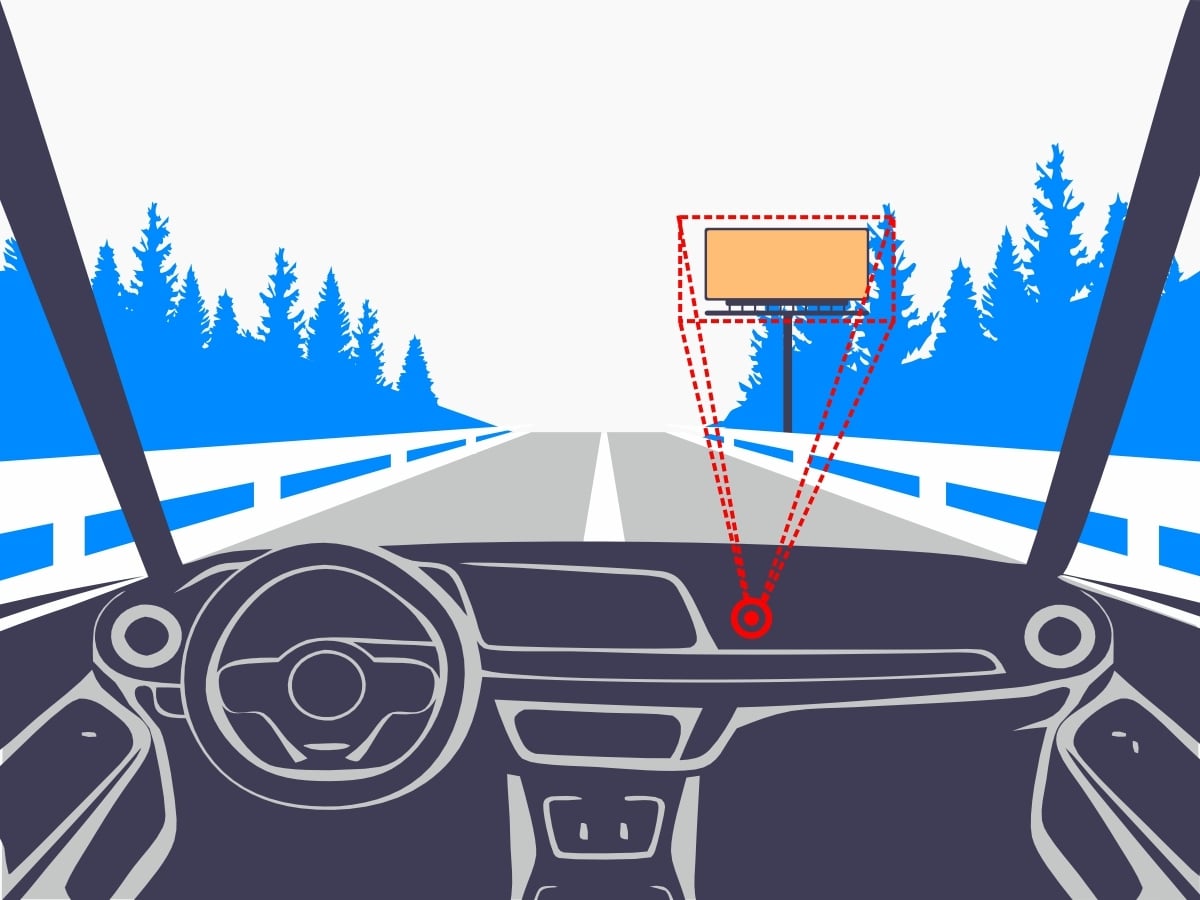
We live in an age majorly defined by developments in technology. In recent years, the rise of self-driving cars has many wondering what the roads and highways will look like over the next few decades—and has advertisers wondering about the future of the out-of-home (OOH) advertising industry as a whole.
After all, if self-driving cars become the mainstream form of transportation, how will outdoor media survive? Will anyone even look out the car window anymore, or will the OOH industry disappear for good?
Self-Driving Cars Are On the Way…But Don’t Take Your Hands Off the Wheel Just Yet
In the US, the rise of self-driving cars is relatively inevitable. In 2025, the US government began working to speed up the rollout of automated vehicles, easing regulations to make their deployment smoother and simpler.
This raises the question: what will operating a vehicle look like in the coming years?
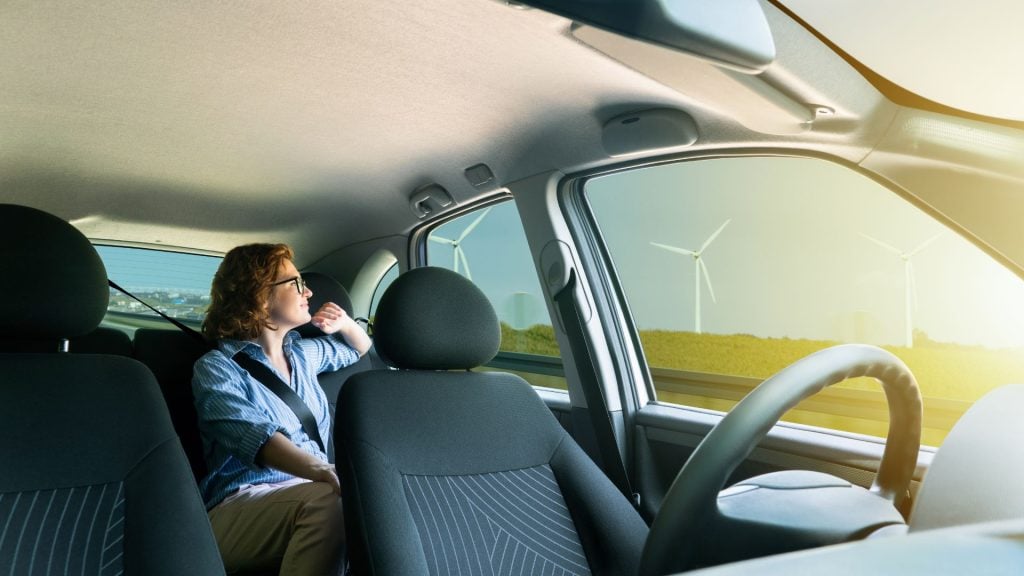
When most of us imagine a future filled with self-driving cars, we imagine the endless possibilities of things that could be done in the time normally spent driving, whether commuting to work or embarking on a cross-country road trip.
After all, if your car can drive itself, the options are limitless. “Drivers” could read, nap, watch a movie, scroll social media, or work while their vehicle takes them right where they want to go.
However, in reality, it’s doubtful that we’re anywhere near an era of catching some extra shut-eye while heading to the office. It’s expected that drivers will be keeping their hands on the wheel and eyes on the road until long after 2035—though, understandably, questions and concerns still arise.
Billboards Won’t Disappear, They’ll Develop
Here’s the thing: technological advances are nothing new. Thirty years ago, cell phones were just gaining popularity; now nearly everyone has the equivalent of a high-speed miniature computer in their hand at all times. And when those technologies began to advance, guess what? Everyone worried about what it would do to physical advertising and out-of-home marketing.
Spoiler alert: despite the remarkable developments we’ve seen in smartphones and digital advertising, out-of-home advertising hasn’t evaporated. It’s thrived.
OOH advertising yields the highest return on investment (ROI) when compared to other forms of advertising, including digital ads. Despite early fears that the ease of digital advertising would overtake out-of-home media, we consistently see the best results from these physical advertisements—not social media or online ads.
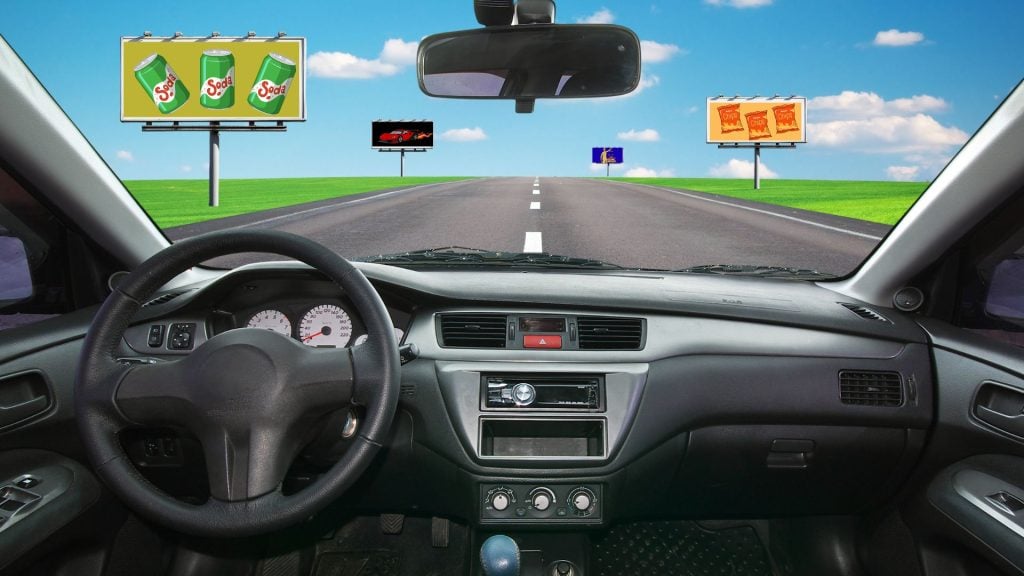
And while it’s only natural to worry when faced with change, we don’t expect billboard advertising to disappear with the rise of self-driving cars. Instead, the industry will adjust and evolve for the better, not running from advancements but adapting alongside them.
New Possibilities
We don’t know with certainty what developments we’ll see in billboard advertising, but looking ahead, the future is bright. There are so many possibilities for how outdoor media can adapt to open up new and exciting advertising opportunities.
Instead of becoming a thing of the past, we expect to see digital billboards become more interactive and intelligent, especially as drivers begin to spend less time driving themselves.
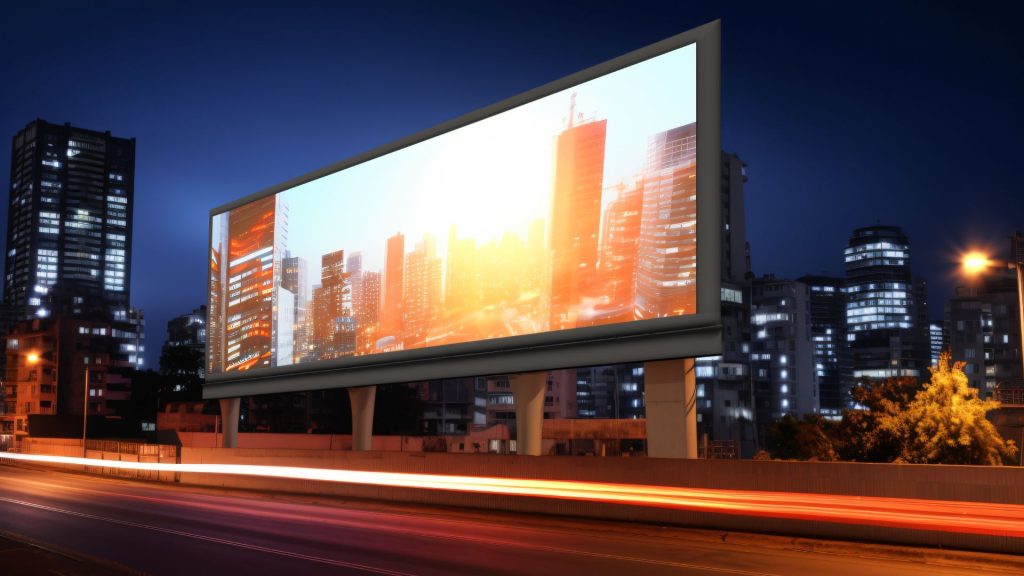
Maybe that looks like tailored ads for different times of day, or in-car screens that sync with OOH messaging. This turns mobile commerce into a customized, layered experience that can influence a driver’s meal decisions, desired experiences, or even travel destination.
When people first started using smartphones, they didn’t stop looking out the window—and self-driving cars aren’t going to change that. Instead, drivers with less to do behind the wheel may become even more engaged with the world out their window, turning the windshield into a screen even more compelling than the one in their hand, if advertisers are strategic, adaptable, and creative.
Easier Travel Means More Time Spent Outside the Home
How often do we complain about the stresses of road travel? Heavy traffic, bad drivers, and unfamiliar locations can be a recipe for disaster, and it’s not uncommon for people to choose the path of least resistance and simply stay home rather than navigate the roads.
But what if travel stress was no longer a factor? What if people didn’t have to feel confident in their driving abilities to head out on an adventure—what if they could just go?
The rise of automated vehicles isn’t a detriment to the outdoor media industry: it’s an enhancement. More people than ever before will be traveling, going new places, and watching out the window to take it all in—and OOH advertisers will be there to join in their journey every mile of the way.
FAQs
Is billboard advertising the best way to advertise to drivers?
Billboard advertising is one of the most powerful ways to reach people traveling by car, but it’s not the only way! Gas station advertising is another great strategy to use to engage consumers all across the country while they fuel up for their day.
Should I add a QR code to my billboard?
Currently, QR codes work best for street billboards, as they can be difficult to scan in a moving vehicle. However, with the rise of self-driving cars, we expect to also see a rise in QR code use on highway billboards as they become a more practical tool.
What is the best sizing for highway billboards?
There’s no one-size-fits-all answer since the best billboard for you will depend on your target audience and campaign goals. The majority of highway billboards measure 14’0" x 48’0" however, different markets may offer different sizing. Talk to a media coordinator to determine the best size for your outdoor media campaign.
Ready to bring your brand outdoors?
Connect with an outdoor media expert or call (866) 499-3334.