
When you drive past a billboard, how often do you remember what it said? More importantly, why do you remember it? That’s the power of psychology in outdoor advertising. Understanding how the human brain reacts to visual stimuli, repetition, and emotional cues can be the difference between an overlooked ad and a message that drives action.
Getting into the mind of your consumer is a core tenet of any successful marketing strategy. So naturally, it’s important to familiarize yourself with the psychological principles behind effective outdoor advertising and how your brand can use them to your advantage.
Why Outdoor Advertising Works: A Psychological Perspective
Outdoor advertising is uniquely positioned to take advantage of psychological patterns in consumer behavior. Unlike digital or social media ads, which are often blocked or ignored, out-of-home (OOH) ads appear in the physical environment, subtly embedding themselves into a viewer’s daily routine.
Key Psychological Drivers of OOH
- Repetition and Familiarity: Seeing the same message regularly builds trust through the “mere exposure effect.” The more we see something, the more we tend to like and remember it.
- Attention Capture: Bright colors, bold ad typography, and unexpected imagery trigger the brain’s reticular activating system (RAS), helping the ad stand out in a sea of visual noise.
- Anchoring: Billboards often serve as mental anchors. "Oh, the coffee shop is by that sign with the giant bagel." This spatial association boosts brand recall.
- Emotional Resonance: Humor, nostalgia, or shock can create emotional memories tied to the ad’s content. Check out our blog post on advertising appeals for more on this.
The Role of Visual Hierarchy in Billboard Design
Design is far from just decoration; it’s a communication tool rooted in psychology. An effective billboard uses visual hierarchy to guide the viewer’s eye and prioritize information.
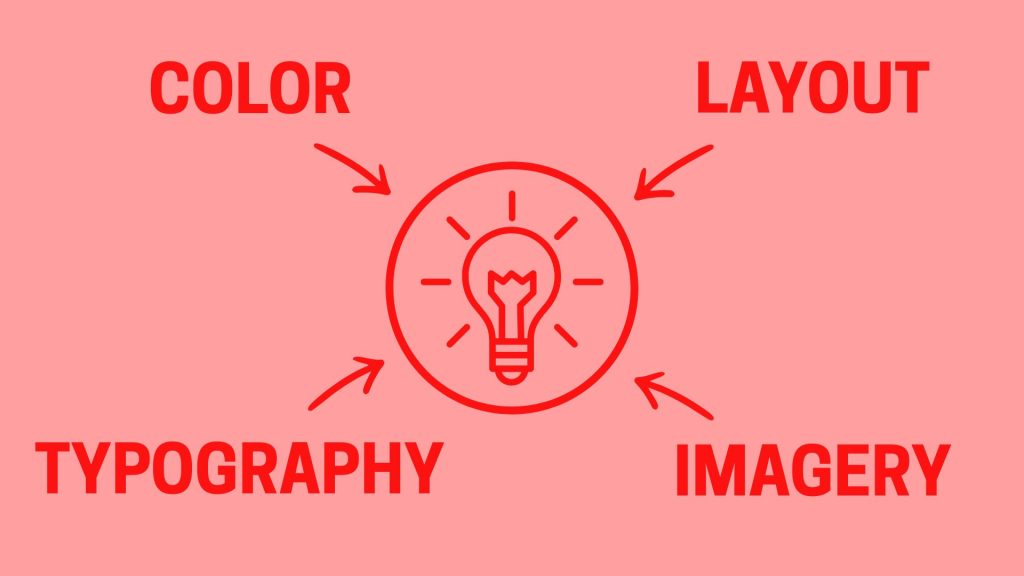
Key Design Elements That Influence Perception:
- Headline First: Bold, short headlines are processed faster than detailed copy.
- Contrast and Color Psychology: High-contrast designs grab attention, while specific colors (like red for urgency or blue for trust) evoke emotion.
- Simplicity: Cognitive load theory tells us that too much information overwhelms the brain. Fewer elements = more retention.
- Faces and Eyes: Humans are hardwired to look at faces—especially those making eye contact. Ads that include human figures often outperform those that don’t.
When you work with Alluvit Media, you can take advantage of our free creative design services. Our experienced graphic designers incorporate best practices so you can rest assured that you’re leveraging tried and true methods.
How Memory Works in Outdoor Advertising
Outdoor ads are typically consumed in seconds—around 7 to be exact. So how do they stick in our brains?
Working Memory vs. Long-Term Memory
Working memory is responsible for processing visual information quickly, but it can only hold a limited amount of data at one time. This makes outdoor ads reliant on simplicity and clarity.
When a person encounters the same ad repeatedly, however, such as during their daily commute, this repetition helps transfer the message from working memory into long-term memory. Over time, this strengthens brand awareness and increases the likelihood of consumer action.
Associative Learning
Another powerful psychological mechanism at play in outdoor advertising is associative learning, or what psychologists often refer to as classical conditioning.
When a product is consistently paired with a specific visual cue (like a memorable mascot, catchy jingle, or bold tagline), it creates a mental shortcut.
The next time a person sees that cue, even in a different context, they’re more likely to automatically recall the associated brand or product. This technique is especially effective for building brand identity and recall over time.

How Emotions Drive Consumer Action
The most powerful ads are the ones that make you feel something. Emotional triggers influence everything from product preferences to brand loyalty.
Emotional Triggers Common in Outdoor Ads:
- Humor: Disarms skepticism and makes the message memorable.
- Inspiration: Encourages aspirational thinking, especially for fitness, travel, or luxury brands.
- Urgency/Fear of Missing Out (FOMO): Phrases like “Limited Time Only” or countdown imagery tap into scarcity bias.
Case Study: Psychology in Action
Let’s say a local coffee chain places a billboard with:
- A smiling barista
- The phrase “Brewed Fresh Daily”
- A tranquil blue background
- Their logo in the corner

Here’s what’s happening psychologically:
- Facial imagery draws the eye.
- The simple phrase sticks thanks to repetition and clarity.
- The color blue implies relaxation and calm.
- Brand consistency ensures every exposure reinforces memory.
Multiply that by a daily commute, and you’ve got a lasting impression that nudges consumers to stop in next time they pass. In that sense, outdoor advertising is worth it for small businesses, large corporations, and everyone in between. It’s about getting your audience to draw a positive mental connection with your brand.
Leverage Psychology for Smarter OOH Advertising
Outdoor advertising isn’t just about visibility, it’s about strategy. When your brand taps into how people think, feel, and remember, you can design billboard campaigns that resonate long after a driver passes by.
At Alluvit Media, we specialize in outdoor campaigns that combine data with psychology for maximum ROI. Ready to turn impressions into conversions? Start a campaign with us.
FAQs
What is the "mere exposure effect" in the psychology of outdoor advertising?
The psychology of outdoor advertising relies heavily on the "mere exposure effect," which suggests that people develop a preference for things simply because they are familiar with them. When commuters see your billboard daily, that repetition moves your brand from their short-term processing into long-term memory, building subconscious trust and making them more likely to choose your business over a stranger's.
How does visual hierarchy influence how we process billboards?
Because drivers only have about seven seconds to view an ad, the psychology of outdoor advertising dictates a strict visual hierarchy. The brain processes bold headlines and human faces first, as we are biologically hardwired to notice eyes and expressions. By using high-contrast colors and minimal text, you reduce the "cognitive load," making it easier for the brain to store your message without feeling overwhelmed.
Why are emotional triggers so effective in OOH campaigns?
Emotions are the fastest way to drive consumer action. In the psychology of outdoor advertising, triggers like humor, nostalgia, or "FOMO" (fear of missing out) disarm skepticism and create a stronger mental anchor. When an ad makes a viewer feel something—whether it's a laugh at a pun or a sense of urgency for a sale—it creates an associative link that makes the brand much more memorable.
How do billboards act as "mental anchors" for consumers?
One fascinating aspect of the psychology of outdoor advertising is spatial association. Billboards often become physical landmarks (e.g., "the store near the giant bagel sign"). This anchoring helps the brain categorize your brand within a specific geographic context, reinforcing brand recall every time the consumer passes that location, even if they aren't consciously looking at the ad.
Ready to bring your brand outdoors?
Connect with an outdoor media expert or call (866) 499-3334.