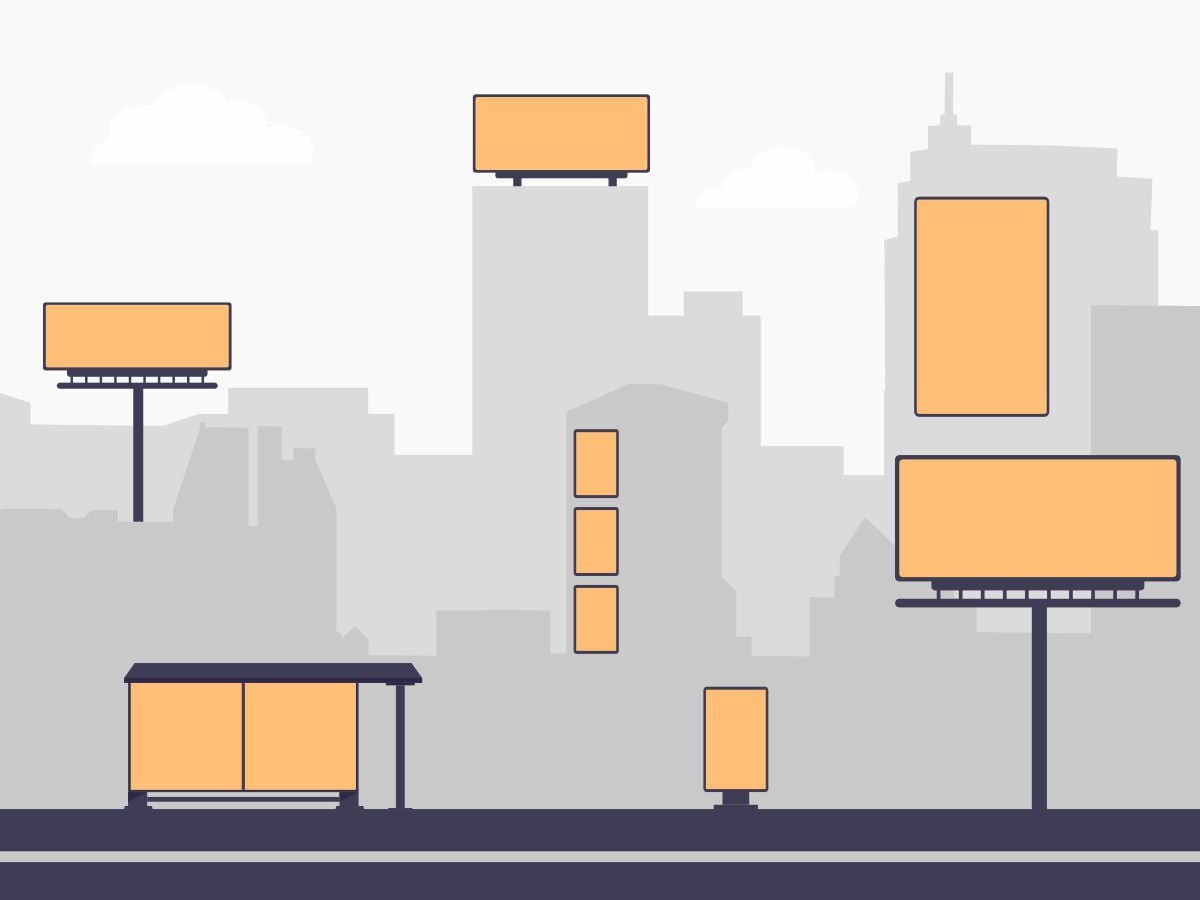
In a busy city, your brand has just a few seconds to make an impression. People are dodging traffic, checking their phones, catching trains, and zoning out after a long day at work. We’ve all been there…
City advertising is about cutting through all of that chaos—using outdoor media in high-traffic urban areas to make your brand impossible to miss.
Done right, city advertising doesn’t just look good on a billboard. It drives conversions including calls and website traffic, and boosts brand awareness so that your business is top of mind when people need your services.
What Is City Advertising?
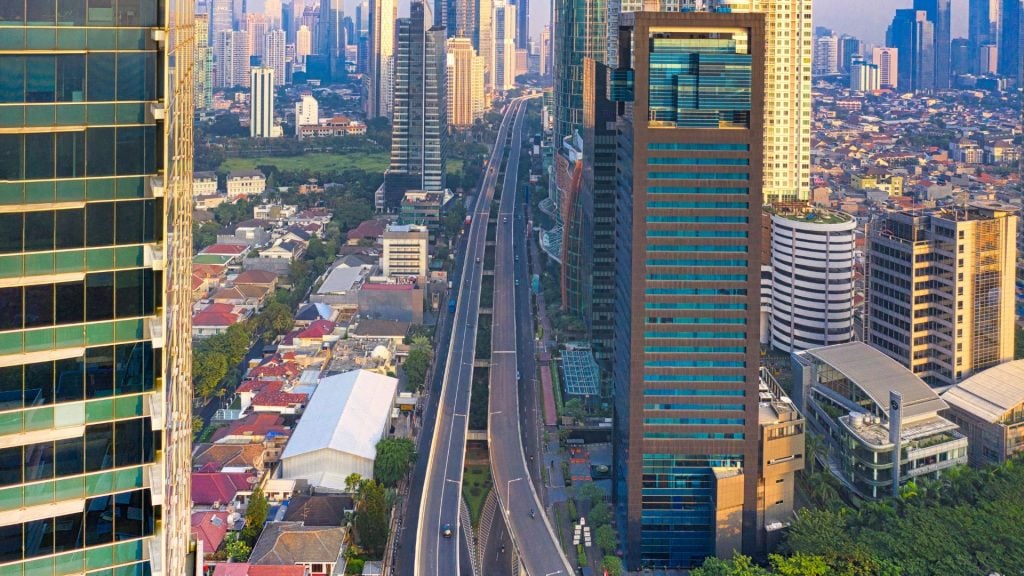
City advertising is the use of out-of-home (OOH) and digital out-of-home (DOOH) media in high-traffic urban areas—like downtown corridors, transit hubs, and shopping districts—to reach people as they move through the city.
The goal is simple: reach a lot of the right people, with a clear message, at the exact moment they’re already out spending time and money.
Typical city advertising formats:
- Large and digital billboards of various sizes along major roads and intersections
- Transit media (buses, trains, stations, rail platforms, airport shuttles)
- Street furniture (bus shelters, kiosks, benches, newsstands)
- Place-based screens in malls, entertainment districts, and office towers
Why City Advertising Still Works in a Digital World
Even as brands shift budget online, OOH has quietly become one of the fastest-growing traditional channels. Global out-of-home ad spend surpassed $9.1 billion in 2024, a 4.5% increase from the previous year, driven in large part by demand for digital screens in urban environments.
Here’s why city advertising is still a smart play:
- It can’t be skipped or blocked. Your ad is part of the real world—not a pop-up.
- It reaches people close to the point of purchase. Urban DOOH inventory is often clustered around transit hubs, shopping streets, stadiums, and entertainment areas.
- It boosts everything else you’re doing. People who see OOH ads are more likely to search for the brand later, follow on social, or visit the website.
- It scales quickly. A single well-placed city campaign can reach hundreds of thousands of people in days, especially in dense metros.
City Advertising Formats That Get Noticed
Billboards & Digital Billboards
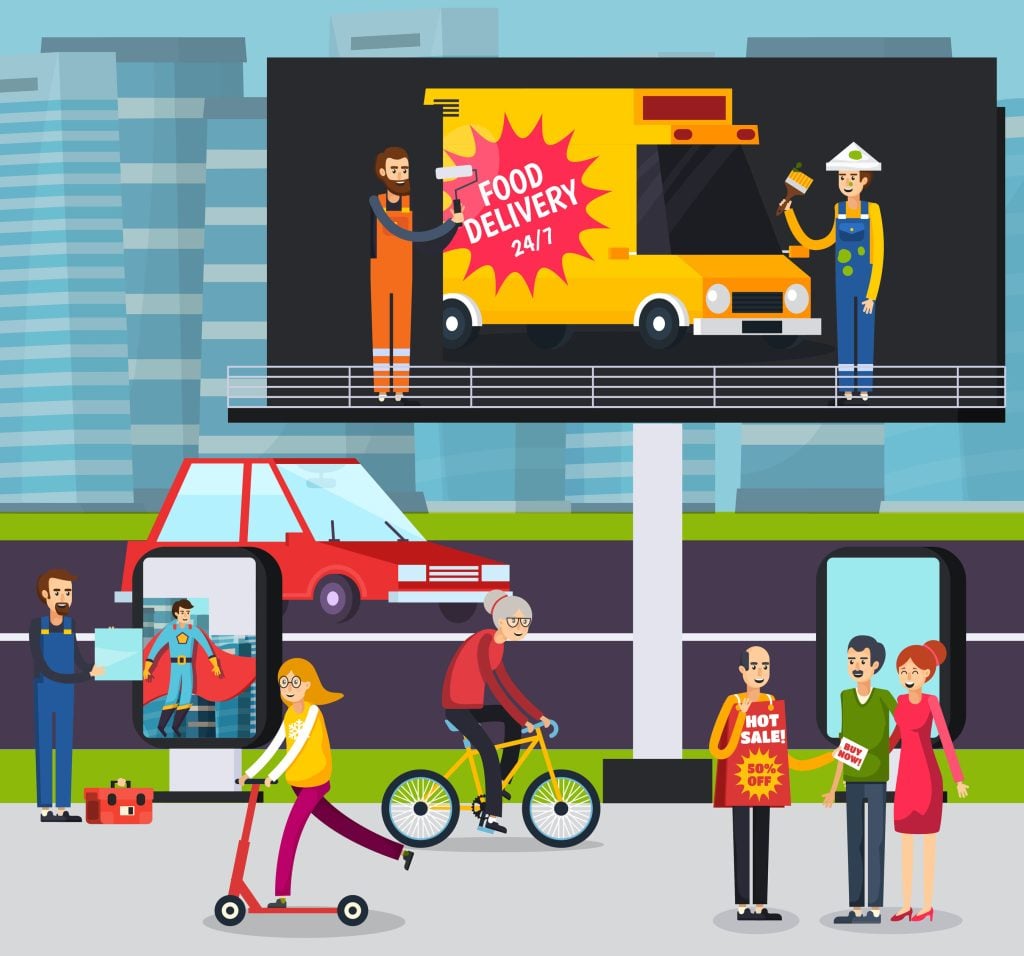
Static and digital billboards remain the backbone of city advertising. They dominate sightlines on major roads and ring roads and, in digital form, allow for rotating messages, dayparting, and dynamic creative.
Use billboards for:
- Big brand awareness plays
- Product launches
- Market entry campaigns (“Now open in [City]”)
- Simple, memorable messages that don’t require fine print
Digital billboards also let you swap creative mid-campaign based on performance, events, or weather—something advertisers increasingly lean on as DOOH grows to about one-third of all OOH spend globally.
Transit Advertising
Transit ads put your brand on the move across the city:
- Full-wrap buses or light rail
- Interior and exterior train ads
- Posters and digital screens inside stations and platforms
These placements excel at day-to-day frequency. Commuters see the same creative multiple times a week, which is ideal for building familiarity and driving branded search.
Street Furniture & Urban Panels
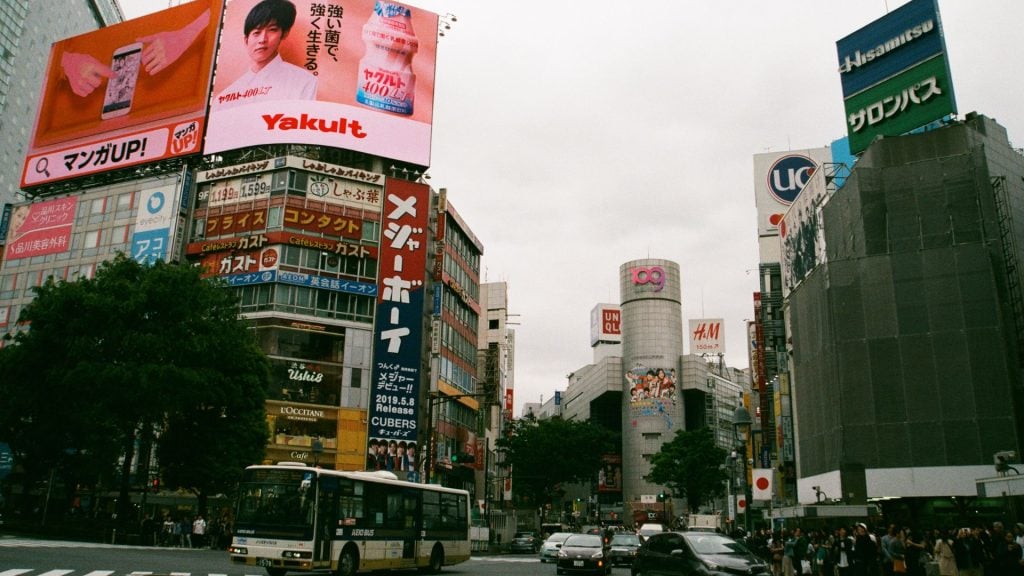
Street furniture (e.g., bus shelters, kiosks, benches, newsstands, and standalone “urban panels”) gives you eye-level messaging right where people walk, wait, and queue.
These formats are perfect when:
- You want to reach pedestrians in shopping or nightlife districts
- You’re promoting offers that benefit from close-up reading (QR codes, promo details)
- You want a dense, neighborhood-level presence
Place-Based & Experiential
Think digital screens in retail centers, gyms, hotels, and office lobbies, plus murals, building wraps, projections, and experiential stunts. Place-based OOH is growing quickly as brands lean into context: a sports drink near a fitness studio, a fintech ad in a central business district, a quick-service restaurant ad in an entertainment zone.
How To Make City Ads Stand Out Among the Crowd
You may only get 3–5 seconds of attention. That’s your creative constraint—and your biggest ally.
1. Lead With One Clear Idea
The best city ads do one thing well. They:
- Showcase a single benefit
- Promote one offer
- Drive one main action
If your copy can’t be reduced to a phrase or short sentence, it’s probably too complicated for a moving audience.
2. Write Copy For Glanceability
A good rule of thumb: aim for 7–10 words of primary copy on most OOH creative. That includes your main line plus brand name or logo lockup.
- Use short, plain-language phrases instead of clever but confusing wordplay.
- Avoid dense legal copy in large formats—use a QR code or URL to host details.
- Make your call-to-action crystal clear: “Search [Brand] [Category],” “Scan to order,” or “Visit [ShortURL].”
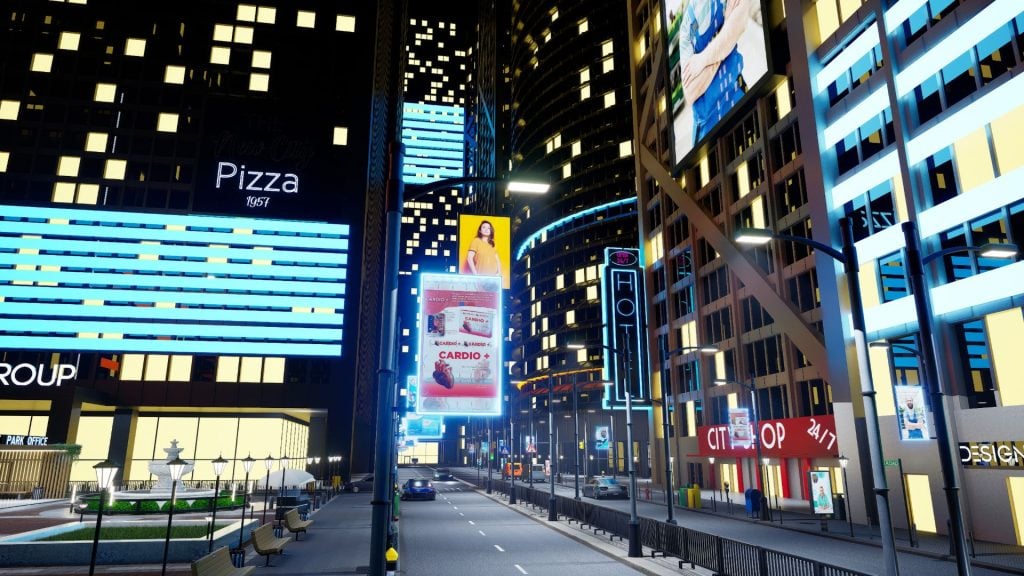
3. Use High Contrast & Simple Layouts
City environments are visually busy. Make your ad do less, not more:
- High-contrast color combinations
- Clear hierarchy (one focal element, then logo, then CTA)
- Large typography optimized for distance
Think of your design as a road sign: if it fails the “can I read it in 3 seconds?” test, simplify it.
4. Lean Into Local Context
Localization or contextual marketing helps your ad feel like it belongs in the city, not just on it.
- Reference a local landmark, neighborhood, or commute
- Time your creative to local events (sports, festivals, openings)
- Use photography that actually looks like the city you’re targeting
Targeting & Planning a City Advertising Campaign
Choose Locations Based on Audience, Not Just Traffic Counts
Traffic data, mobile movement studies, and third-party audience modeling tools make it possible to target urban OOH more precisely than ever. Agencies combine:
- Impression data (how many people pass a unit)
- Demographic modeling (who those people are likely to be)
- Contextual insights (where they’re going: shopping, work, nightlife)
This lets you build packages that focus on key corridors rather than scattering placements across the entire city.
Use DOOH for Flexibility
Digital inventory adds layers of control:
- Dayparting: Only show your ad during commuting hours or evenings.
- Trigger-based creative: Change messages based on weather, time of day, or live events.
- Short flights (A/B testing): Test a message for a few weeks, then optimize.
For example, a delivery brand might promote lunch deals from 11 a.m.–2 p.m. on urban panels near offices and dinner offers in residential neighborhoods from 5 p.m.–9 p.m.
Measuring the Impact of City Advertising
You can’t rely on click-through rate, but you can absolutely measure performance.
Common approaches include:
- Modeled reach and frequency: Industry-standard OOH tools estimate how many unique people saw your campaign, and how often.
- Brand lift studies: Survey exposed vs. control groups to measure changes in awareness, consideration, or purchase intent.
- Search and site lift: Compare branded search volume and direct traffic in markets with OOH vs. those without.
- Promo codes and vanity URLs: Use simple URLs or offer codes that only appear in your city creative.
- QR code scans: Track how many people engage with your ad on the spot.
Example City Advertising Strategies by Objective
1. Brand Awareness in a New Market
- High-impact digital billboards on major commuter routes
- Supporting urban panels in downtown cores
- Simple creative: logo, key value prop, search-oriented CTA
2. Driving Foot Traffic to a Local Store
- Street furniture within a 1–2 mile radius of the location
- Transit ads on routes that pass the store
- Wayfinding creative (“2 blocks ahead on [Street Name]”) plus a store-specific landing page
3. Product Launch or Seasonal Offer
- Short, intense DOOH flight across multiple downtown screens
- Dynamic creative that changes by time of day or countdown to launch
- Dedicated landing page optimized with FAQs
4. Recruitment Campaigns
- Panels near office districts, universities, or industry hubs
- Clear, benefit-driven headlines (“Grow your career in [Industry]”)
- Simple URL or QR code leading to a careers page structured around job-seeker questions
FAQs
What is the best form of city advertising?
The “best” format depends on your goal and budget. Large billboards are ideal for broad awareness, while street furniture and transit ads are better for neighborhood-level frequency and commuter coverage. Submit a form for a custom proposal that will include strategic placements in your target area.
How much does city advertising cost?
City advertising costs vary widely based on location, format, size, and campaign length. Premium downtown or freeway digital units will cost more than smaller static posters in secondary neighborhoods.
How long should a city advertising campaign run?
Most city campaigns run for at least 4–8 weeks to build recognition and drive meaningful search and offline behaviors. Shorter bursts can work for events or product launches, especially with digital inventory, but long-term presence is best for brand building.
Is city advertising only for big brands?
Not at all. While major brands dominate iconic locations, small and mid-sized businesses can use targeted city campaigns—like neighborhood-level street furniture, transit ads on specific routes, or a handful of digital units timed around key weeks—to reach highly local audiences.
How do I get started with a city advertising campaign?
Start by clarifying your objective (awareness, store visits, leads, hiring), budget, and ideal customer. Then work with an outdoor advertising agency that can:
- Recommend the right mix of formats and locations
- Handle permits, production, and installation
- Connect your city campaign to SEO-ready landing pages and tracking
Ready to bring your brand outdoors?
Connect with an outdoor media expert or call (866) 499-3334.