
Billboards are an excellent way for businesses to resonate with their target audience and have proven to generate a high return on investment (ROI) for advertisers. However, not all states embrace this form of advertising. In fact, some states have banned billboards altogether.
Advertising regulations are far from new. Today, there are strict laws around alcohol advertising and cannabis advertising, for instance—with each state having its own set of requirements and restrictions.
Wondering which states ban billboards and why they ban this popular advertising format? Read on to learn more and what the implications are for businesses looking to break into those markets.
The History of Billboard Regulation in the United States
Billboard regulation in the United States has a complex history. The Federal-Aid Highway Act of 1956 and the Highway Beautification Act of 1965—championed by first lady Lady Bird Johnson—marked significant steps in controlling the rise of billboards in the nation.
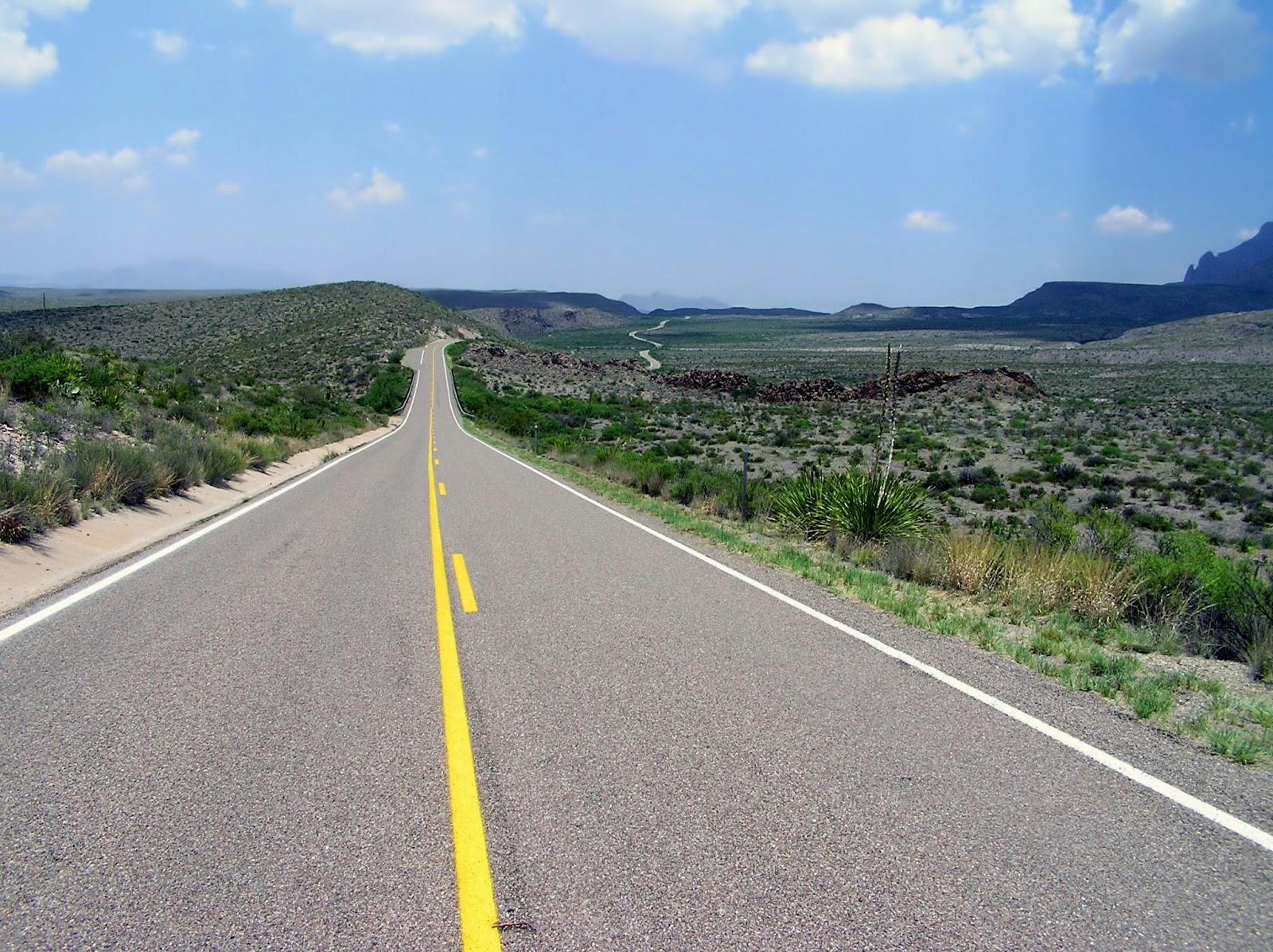
These acts aimed to enhance the visual appeal of highways by limiting the number of billboards and setting standards for their placement. While there have been revisions to these acts since their enactment, the principles remain the same.
States That Ban Billboards
Several states have taken the initiative to ban billboards entirely. These states include:
1. Vermont
Vermont banned billboards in 1968. The decision was part of a broader effort to preserve the state's scenic beauty and rural character. Vermont's ban on billboards has been largely supported by residents who value the state's unspoiled landscapes.
2. Maine
Maine followed Vermont's example and banned billboards in 1977. The state prioritizes the natural beauty of its coastline and forested areas. The absence of billboards is seen as a way to enhance the experience for both residents and tourists.
3. Hawaii
Hawaii's ban on billboards is rooted in its unique geography and cultural heritage. Enacted in 1927, Hawaii's billboard ban is one of the oldest in the country. The ban helps to protect the island state's stunning vistas and maintain its reputation as a paradise on earth.
4. Alaska
Alaska banned billboards in 1998. The decision reflects a commitment to preserving the state's pristine wilderness and breathtaking scenery. Alaska's vast landscapes are a major draw for tourists, and the absence of billboards contributes to the state's rugged, untouched image.
Ready to bring your brand outdoors?
Connect with an outdoor media expert and get a free custom proposal.
States With the Strictest Billboard Regulations
While only four states have completely banned billboards, several others have implemented strict regulations governing where and how outdoor advertisements can be displayed. These laws are often designed to preserve scenic beauty, reduce visual clutter, and improve roadway aesthetics.
Here's a quick look at how some states approach billboard regulation:
| State | Billboard Status |
|---|---|
| Hawaii | Complete Ban |
| Vermont | Complete Ban |
| Maine | Complete Ban |
| Alaska | Complete Ban |
| Oregon | Strict cap-and-replace regulations |
| California | Extensive highway advertising regulations |
| Washington | Strict permitting and location requirements |
Even in states where billboards are allowed, advertisers may encounter restrictions related to spacing, size, lighting, and proximity to highways or residential areas. Because regulations can vary significantly from state to state—and even city to city—it's important to research local requirements before launching a campaign.
Working with an experienced outdoor advertising company can help ensure that your campaign complies with all applicable regulations while maximizing visibility.
Why These States Ban Billboards
The reasons behind the ban on billboards in these states vary but generally include:
- Scenic preservation
- Environmental considerations (primarily maintenance and lighting)
- Cultural and aesthetic values
- Tourism and economic impact (enhancing attractiveness to bring in travelers)
Whether you agree with these reasons or not, the natural beauty of the four states mentioned above is undeniable. Man-made structures and eye-catching advertisements might seem out of place in these states.
Implications for Advertisers
For advertisers, the ban on billboards in these states presents both challenges and opportunities. There are plenty of other ways to reach consumers and out-of-home media encompasses a broad range of advertising placements.

Advertisers must find alternative methods to reach their audience in states where billboards are banned. This could include digital advertising, place-based media (like airport advertising, shopping mall advertising, and more) local sponsorships, and other forms of media.
Even if you’re hoping to advertise your product/services in a state that bans billboards, it still might be worthwhile to get in touch with a billboard advertising company. These outdoor media experts can offer guidance and propose solutions that allow you to engage your target audience in other creative ways.
Final Thoughts
The ban on billboards in states like Vermont, Maine, Hawaii, and Alaska reflects a broader trend towards preserving natural beauty and cultural heritage. While this presents challenges for advertisers, it also opens the door to other forms of advertising such as digital advertising, airport advertising, or shopping mall advertising.
FAQs
Which states have banned billboards?
Four U.S. states—Vermont, Maine, Hawaii, and Alaska—have completely banned billboards. Each state enforces this ban to preserve scenic beauty and protect natural landscapes from visual clutter.
Why did these states ban billboards?
These states banned billboards to protect scenic views, promote tourism, and maintain cultural integrity. The bans are part of broader efforts to keep highways and rural areas free from commercial distractions.
Are digital billboards also banned?
Yes. In states that prohibit traditional billboards, digital billboards are also banned. The restrictions apply to all off-premise advertising displays, including electronic signs. However, popular alternatives to billboard advertising include airport advertising, transit advertising, shopping mall advertising, cinema advertising, and other forms of place-based media. These formats allow brands to connect with consumers in high-traffic environments without relying on traditional roadside billboards.
How can businesses advertise in states that ban billboards?
Businesses can still reach audiences using alternative outdoor media, such as:
-
Transit advertising (buses, ferries, airports)
-
Place-based media (malls, stadiums, retail centers)
-
Digital advertising (local search, social media, geotargeted ads)
These options help advertisers stay compliant while maintaining visibility.
What laws regulate billboard use in other states?
In states where billboards are allowed, they’re regulated under the Highway Beautification Act of 1965, which sets national standards for size, lighting, and placement along highways. Each state enforces these rules differently.